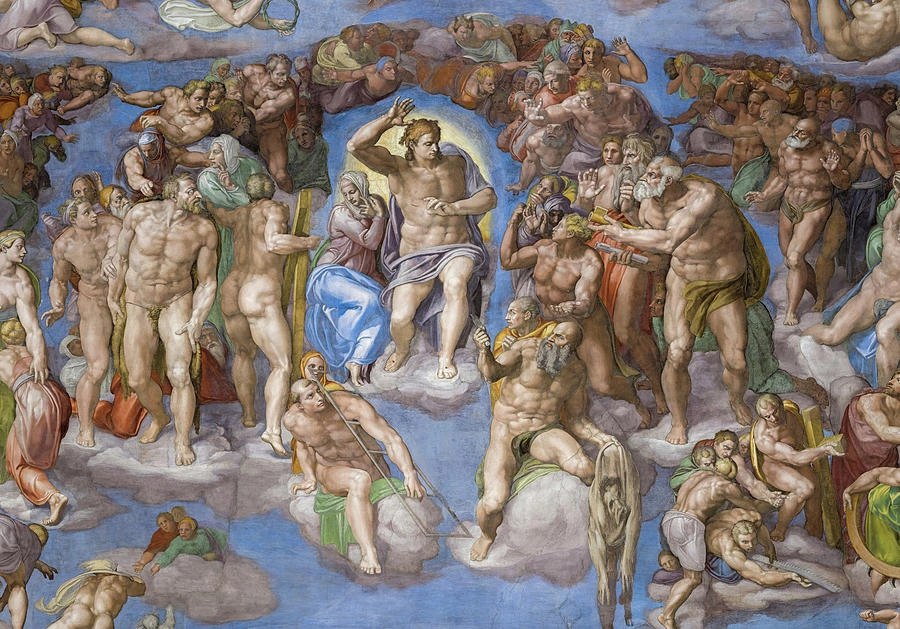
“And to some who trusted in themselves as just, and despised others, he spoke also this parable: Two men went up into the temple to pray: the one a Pharisee, and the other a publican. The Pharisee standing, prayed thus with himself: O God, I give thee thanks that I am not as the rest of men, extortioners, unjust, adulterers, as also is this publican. I fast twice in a week: I give tithes of all that I possess. And the publican, standing afar off, would not so much as lift up his eyes towards heaven; but struck his breast, saying: O God, be merciful to me a sinner. I say to you, this man went down into his house justified rather than the other: because every one that exalteth himself, shall be humbled: and he that humbleth himself, shall be exalted.” Luke 18:9–14
This article is an open letter to all Catholics experiencing spiritual pride.
A Catholic experiences spiritual pride when they look down on others who aren’t as “spiritually clean” as they are. He may pray loudly before meals or disrupt others in prayer by singing hymns in holy sites.
He may even see his faith as a rebellion against the secular world, opting to pray loudly around the irreligious to place a barrier between them and him. Much like how a prideful atheist will use their lack of faith to intentionally provoke Christians, the spiritually prideful Catholic uses his faith as an act to shock the secular world. Like the Pharisee, he shows the world that he is closer to God than the rest.
Holier than thee
He looks down on others who have fallen. He may even refuse to speak to those he deems as unholy. As if their ‘ungodliness’ is a stain so great they cease to be humans who Christ calls us to love. 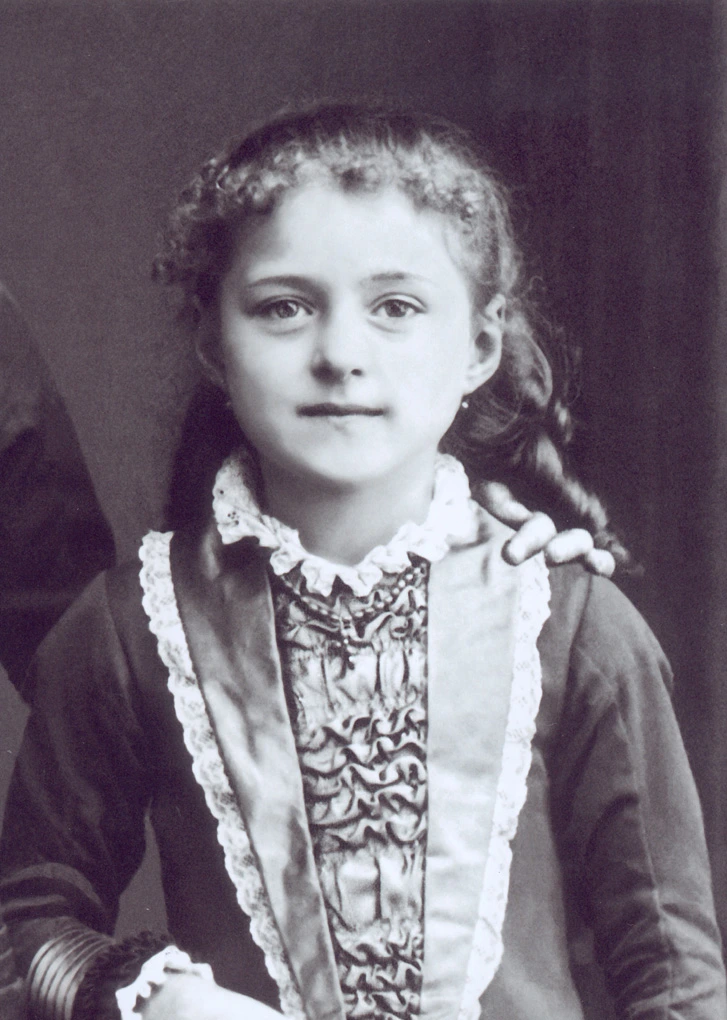
When Christ told the adulterer to “Go, and now sin no more.” (John 8:11), did he not meet another at their level and encourage them to walk a more righteous path? Christ did not condemn her for her sins, he called her towards holiness.
St. Thérèse famously prayed for the salvation of a triple murderer who was facing an impending death sentence. At his last moment, it was told that he kissed a crucifix three times. St. Thérèse exclaimed in joy, a nonbeliever was saved.1
When the spiritually prideful Catholic turns away ‘unholy people’ out of disgust, how many potential souls is he depriving Christ of? Instead of turning away, he should face those whom he sees as fallen, and be a ray of sunshine to lead them out of the blinding darkness in which they are lost.
Deafeningly pious
The spiritually prideful Catholic makes sure everyone around him knows that he prays. Instead of opting to quietly make the sign of the cross to express gratitude for the food in front of him, he deliberately jolts his hands across his body, making an obvious display of his faith for everyone around him to notice. He prays loudly, disrupting everyone around him. He wants to set himself apart from the secular world, maybe he even intends to shock them as an act of defiance.
In holy sites, instead of praying silently, he may even sing hymns and interrupt the prayers of everyone else. He lectures fellow Catholics on how to live a life closer to God. “It’s not good enough”, he says, “to pray daily and go to Mass!”, making it obvious that he is more pious than all those around him. Even implying that he has secrets to godliness that even the practicing Catholics around him don’t understand.
However, Christ repeatedly advises against these public demonstrations of prayer and faith:
“And when ye pray, you shall not be as the hypocrites, that love to stand and pray in the synagogues and corners of the streets, that they may be seen by men: Amen I say to you, they have received their reward. But thou when thou shalt pray, enter into thy chamber, and having shut the door, pray to thy Father in secret: and thy Father who seeth in secret will repay thee.” Matthew 6:5–6
Making the sign of the cross and public prayer are not tools to shock non-Christians, and they are not a pedestal to set oneself higher than other Catholics. Christ tells his followers to pray not as a performance but as a genuine act of communication with God.
Changing paths
We are all in a constant battle against temptations to commit capital sins, including pride. Through God’s grace, and the habit of choosing to practice virtue instead of sin, we can all grow in our humility. Jesus is calling all of us to follow him. Through his parables he tells us how to live in this life in order to make it into the Kingdom of Heaven. Every Catholic must battle the inner Pharisee in them, and strive to be the publican who Christ exalts.
-
Trent Horn, Why We’re Catholic: Our Reasons for Faith, Hope, and Love (San Diego: Catholic Answers Press, 2017), 49. ↩︎